Road safety is paramount when planning and executing any construction, maintenance, or traffic management project. Choosing the right road safety equipment ensures compliance with regulations, protects your workforce, and prevents accidents that could cost lives and impact your budget. This comprehensive guide will help you navigate the process of selecting appropriate road safety equipment for your specific project needs.
Before you can effectively choose road safety equipment, you need to assess your project’s unique demands. Different projects require different safety solutions, and understanding these nuances is the first step toward making informed decisions.
The type of project you’re undertaking directly influences which road safety equipment you’ll need. Are you working on highway maintenance, urban road construction, traffic control during events, or emergency roadside operations? Each scenario presents distinct challenges and safety requirements.
For large-scale highway projects, you’ll need comprehensive equipment including traffic control devices, portable message signs, and impact attenuators. Smaller urban projects might require fewer resources but still demand strict adherence to safety standards. Understanding your project’s scope helps you prioritize equipment investments and allocate your safety budget effectively.
When learning how to choose road safety equipment for your project, familiarize yourself with essential categories of protective gear and traffic management devices.
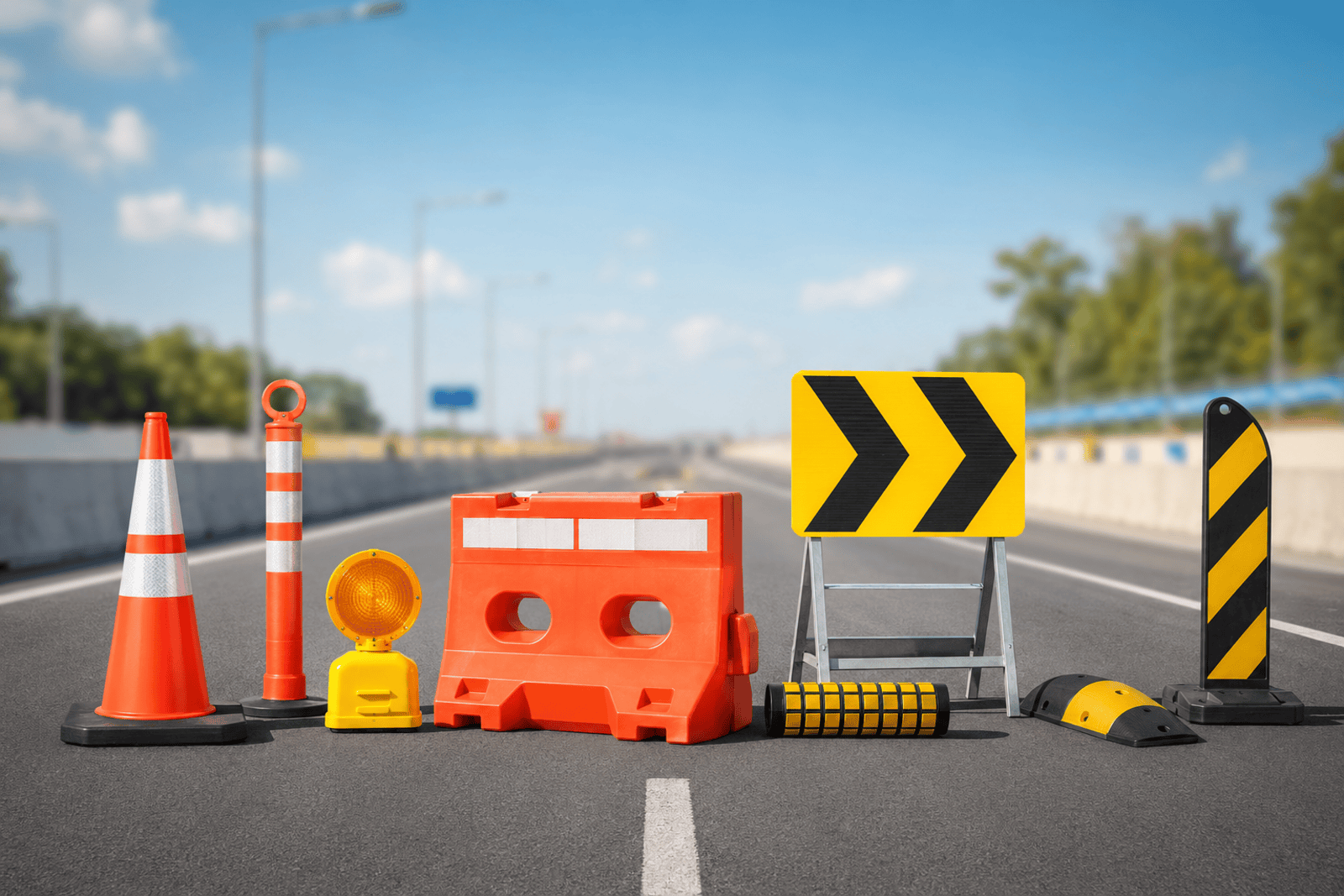
Traffic control equipment forms the backbone of road safety management. This includes traffic cones, barricades, warning signs, and portable traffic signals. These devices guide motorists, alert them to hazards, and create safe work zones. Choose equipment that meets MUTCD (Manual on Uniform Traffic Control Devices) standards to ensure visibility and effectiveness.
Consider the visibility and durability of these items. High-visibility colorspredominantly orange and whiteare standard for a reason: they’re easily spotted in various light conditions. Reflective materials enhance nighttime visibility, making them essential for projects operating after dark.
Road safety equipment extends beyond traffic management to personal protection. Hard hats, safety vests, steel-toed boots, and face shields protect workers from direct hazards. When selecting PPE for your project, ensure all items comply with ANSI (American National Standards Institute) standards.
High-visibility apparel is non-negotiable for road projects. Workers must be visible to approaching traffic at all times. Multi-pocket safety vests allow workers to carry essential tools while maintaining visibility. Reflective striping on vests and clothing increases visibility during nighttime operations.
For high-speed work zones, impact attenuators (also called crash cushions or TMA units) are essential road safety equipment. These devices absorb impact energy from errant vehicles, significantly reducing injury severity. They’re particularly important on highways where traffic speeds exceed 40 mph.
When choosing an attenuator for your project, consider traffic speed, volume, and the angle at which vehicles might strike the device. Different models are certified for specific impact speeds and vehicle types, so verification of specifications is crucial.
Modern road safety projects increasingly rely on electronic communication. Portable message signs alert drivers to work zones, speed reductions, and hazards ahead. These devices significantly improve driver awareness and compliance with temporary traffic control measures.
LED message boards are particularly effective as they maintain visibility in daylight conditions where traditional signs might fade. When selecting electronic signage for your project, opt for units with adjustable message capabilities and reliable battery backup systems.

The most critical factor when choosing how to choose road safety equipment is ensuring compliance with relevant standards and regulations. In the United States, MUTCD standards govern traffic control, while ANSI standards cover worker safety equipment. International projects must adhere to local regulations and ISO standards.
Review your project’s specific requirements with local transportation departments and safety authorities. Non-compliant equipment can result in citations, project delays, and compromised safety.
Visibility is directly proportional to safety effectiveness. Equipment must be visible from distances that allow drivers sufficient reaction time. Standard guidelines recommend visibility at a distance proportional to traffic speedtypically 500 feet for highway work zones.
Road safety equipment operates in diverse environmental conditions. UV exposure, rain, wind, and temperature fluctuations can compromise equipment integrity. Choose products manufactured from weather-resistant materials. Polypropylene cones and waterproof sign materials ensure longevity and sustained effectiveness.
When you choose road safety equipment, consider practical operational aspects. Equipment that’s easy to deploy and retrieve saves time and reduces worker exposure to traffic. Lightweight cones, stackable barricades, and portable sign frames facilitate quick setup and takedown.
While safety cannot be compromised for cost, operational efficiency matters. Purchasing durable, multi-use equipment often proves more cost-effective than replacing damaged or deteriorated items frequently. Compare total cost of ownership, including maintenance and replacement, rather than focusing solely on initial purchase price.
Before implementing your road safety equipment selection, conduct a comprehensive audit of your work site. Identify high-risk areas, traffic patterns, and specific hazards. This assessment informs which equipment categories require priority investment.
Develop a detailed inventory of all road safety equipment needs. Organize by categorytraffic control, PPE, signage, and specialized equipmentand create checklists ensuring nothing is overlooked. This systematic approach prevents expensive last-minute purchases and ensures comprehensive coverage.
Road safety equipment requires regular inspection and maintenance to remain effective. Reflective materials fade, batteries deplete, and hardware deteriorates. Establish protocols for checking equipment before each use, cleaning reflective surfaces, and replacing damaged items promptly.
Equipment effectiveness depends on proper use. Train all workers on correct setup, positioning, and operation of road safety equipment. Workers should understand the “why” behind each equipment requirement, increasing compliance and awareness.
Selecting insufficient equipment is a critical error. Underestimating project scope often results in inadequate safety measures. When in doubt, consult with safety professionals and invest in comprehensive coverage.
Neglecting maintenance is another common pitfall. Worn reflective surfaces and faded markings significantly reduce equipment effectiveness. Implement regular inspection and maintenance schedules to preserve your safety investment.
Using non-compliant equipment, whether intentional cost-cutting or oversight, violates safety standards and exposes your project to liability. Always verify that selected equipment meets applicable standards before purchase.
Choosing the right road safety equipment for your project requires careful assessment of project-specific needs, thorough understanding of applicable standards, and commitment to implementation and maintenance. By following this comprehensive guide, you’ll create safer work environments, protect your workforce, ensure regulatory compliance, and reduce liability risks.
Remember that road safety equipment investment is not an expenseit’s an investment in worker protection, project efficiency, and your organization’s reputation. Take time to assess your needs thoroughly, select compliant and durable equipment, and maintain items consistently throughout your project timeline.
Your commitment to road safety demonstrates professional responsibility and care for those who work on or near your projects.